
- How to Adjust Real Estate Portfolios by Market Phase
- Real Estate Market Cycles in 2025
- The 4 Phases of the Real Estate Market Cycle
- Recovery Phase: Spotting Early Growth Signals
- Expansion Phase: Taking Advantage of Strong Growth
- Hypersupply Phase: Handling Oversupply Risks
- Recession Phase: Managing Market Downturns
- How to Adjust Your Portfolio in Each Market Phase
- Recovery Phase Strategies
- Expansion Phase Strategies
- Hypersupply Phase Strategies
- Recession Phase Strategies
- sbb-itb-f750c3f
- When to Make Capital Improvements and Refinance
- Tracking Market Indicators for Portfolio Adjustments
- Conclusion
- FAQs
- How can I identify the current phase of the real estate market cycle in my area?
- What should I look for to decide whether to buy, hold, or sell properties during different market phases?
- How can I manage risks while maximizing returns on my real estate investments during a recession?
Investing Tips
How to Adjust Real Estate Portfolios by Market Phase
Understanding the real estate market cycle is key to making smart investment decisions. The market moves through four phases - Recovery, Expansion, Hypersupply, and Recession - and each stage impacts property values, rental income, and opportunities differently. Here's a quick breakdown:
- Recovery: Low occupancy, flat/declining rents, and opportunities to buy undervalued properties.
- Expansion: Rising rents, high demand, and ideal for development and value-add projects.
- Hypersupply: Oversupply leads to slowing rent growth and higher vacancies; focus shifts to preserving cash flow.
- Recession: High vacancies and falling rents, but great for acquiring distressed properties at discounts.
To maximize returns, align your strategy with the current phase by tracking key indicators like occupancy rates, rental trends, and construction activity. For example:
- Buy during Recovery, improve during Expansion, hold during Hypersupply, and acquire distressed assets during Recession.
The key is timing your moves to match market conditions while keeping a close eye on local trends. This ensures your portfolio remains resilient and well-positioned for growth.
Real Estate Market Cycles in 2025
The 4 Phases of the Real Estate Market Cycle
Understanding the four phases of the real estate market cycle is crucial for knowing where your investments stand and determining the adjustments needed to navigate the shifting landscape. Each phase uniquely influences property values, rent trends, and opportunities. Keep in mind, the cycle doesn’t follow a fixed timeline - phases can stretch for months or years, shaped by factors like economic conditions, interest rates, and government policies. Typically, the expansion and recession phases are shorter, while recovery and hypersupply tend to last longer. Here’s a closer look at each phase to help you align your investment strategies.
Recovery Phase: Spotting Early Growth Signals
The Recovery Phase marks the bottom of the market, following a period of overbuilding from the previous cycle. It’s often tricky to identify because the overall mood still feels recessionary. During this phase, occupancy rates are low, leasing activity is sluggish, and rental rates remain flat or continue to decline. Excess inventory dominates the market, home and rent prices drop, and new construction grinds to a halt.
Economic growth begins to show faint signs of life, though unemployment remains high and inflation outpaces progress. Savvy investors often spot opportunities in distressed properties as transaction activity starts to pick up.
Key signals of recovery include stabilizing occupancy rates, rental rates hitting their lowest point, and early signs of job growth. For property owners who held through the downturn, these indicators suggest it’s time to consider acquisitions or renovations to prepare for the next upswing.
Expansion Phase: Taking Advantage of Strong Growth
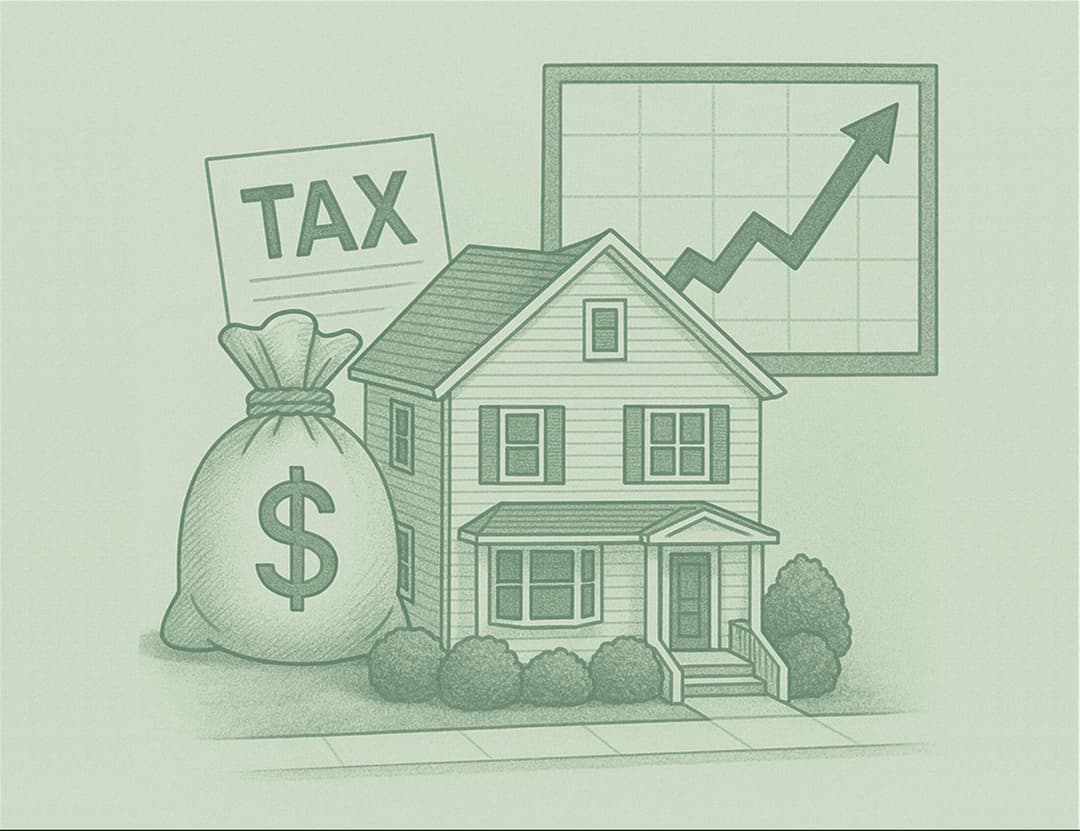
The Expansion Phase brings a clear shift with strong growth across a range of indicators. Demand for space surges, GDP stabilizes, and job growth picks up speed. Occupancy rates climb significantly, and rental rates rise - often enough to justify new construction projects. In tighter markets, rents can increase rapidly.
This phase is marked by a construction boom as developers race to meet growing demand. Investor confidence is high, and optimism about real estate is widespread.
Investment strategies thrive during expansion. Development projects benefit from soaring demand and quick leasing activity, often at premium rents. Properties with solid tenant retention see steady rent growth, while value-add opportunities become attractive as investors acquire underperforming assets, make improvements, and lease them at higher rates.
Hypersupply Phase: Handling Oversupply Risks
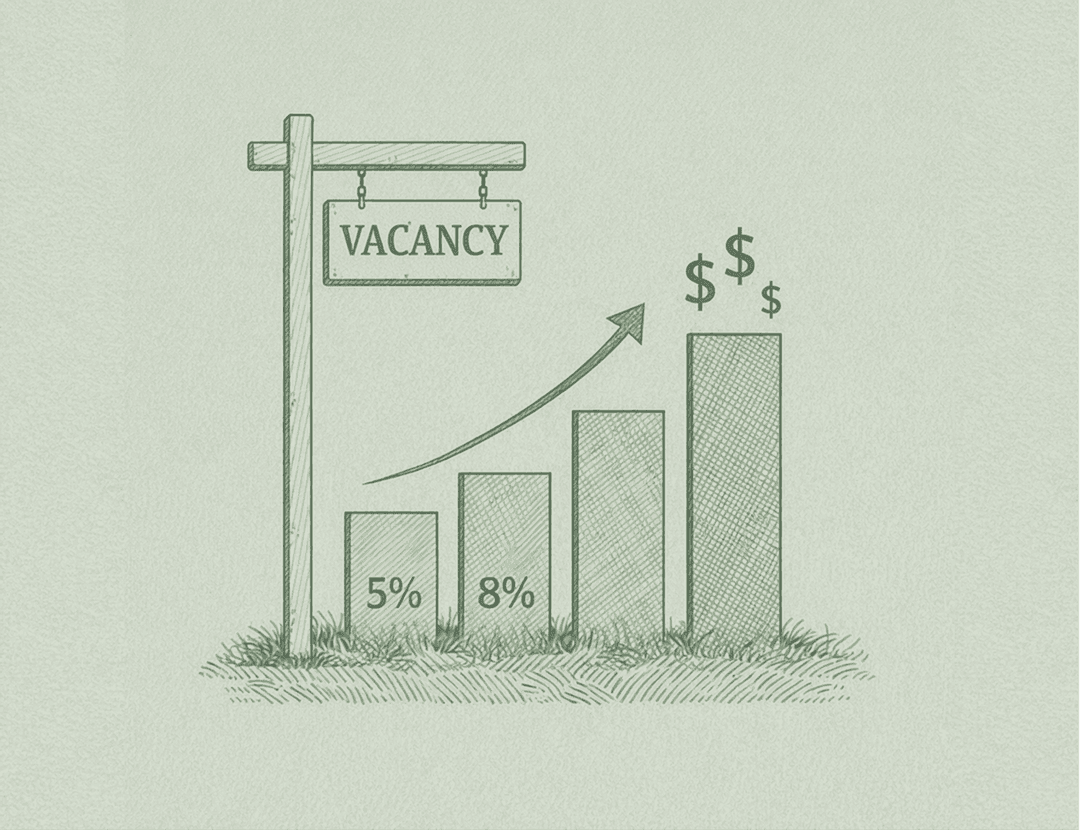
After the rapid growth of expansion, the market can tip into hypersupply. This phase occurs when supply begins to outpace demand, leading to rising vacancy rates and slower rent growth. While demand for real estate remains, the market starts to show strain as landlords deal with excess inventory.
Sales activity continues, but price growth slows, and new construction begins to taper off as developers recognize the market is becoming saturated.
For patient investors, hypersupply can present opportunities. Some property owners panic and sell, creating chances to acquire assets at favorable prices. Buy-and-hold strategies can work well during this phase, especially for those willing to wait for the market to stabilize. Keeping a close eye on vacancy rates and rent trends is essential to navigating this period effectively.
Recession Phase: Managing Market Downturns
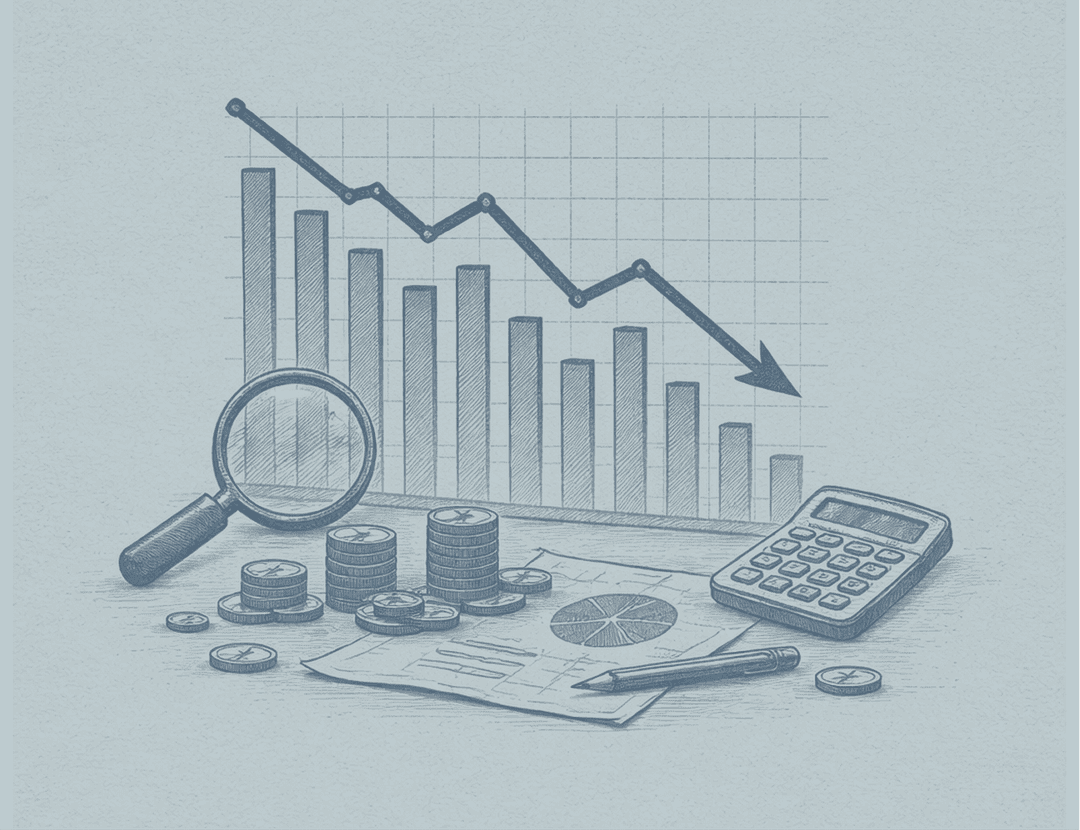
The Recession Phase is the low point of the cycle, defined by severe imbalances in supply and demand. Oversupply leads to high vacancy rates, falling rental rates, and widespread financial distress for property owners. Foreclosures and bankruptcies become common, and property values drop significantly. Many buildings sit vacant for extended periods, while unemployment rises and economic activity contracts.
Despite the challenges, this phase offers opportunities for investors with capital and patience. Distressed properties often sell at steep discounts, especially through lender foreclosures or "REOs." Investors who acquire these assets and implement repositioning strategies can benefit from holding them until the market recovers, selling during late recovery or early expansion when values rebound.
As the recession phase nears its end, signs of recovery begin to emerge. Tenant demand improves, rents stabilize, and occupancy rates rise alongside better employment trends. This phase, while difficult, sets the stage for future growth.
| Phase | Occupancy | Rental Rates | Construction | Demand | Vacancy Rates |
|---|---|---|---|---|---|
| Recovery | Low | Flat/declining | Minimal | Weak | High |
| Expansion | Increasing | Rising | Surging | Strong | Decreasing |
| Hypersupply | Declining | Slowing | Elevated | Weakening | Rising |
| Recession | Low | Declining | Minimal | Weak | High |
It’s important to note that different markets and property types may move through these phases at varying speeds. For instance, urban and suburban areas often experience different timelines due to factors like local economic conditions, population trends, and development patterns. A rapidly growing market might cycle through recovery and expansion phases faster, while an area with overbuilding could face a prolonged hypersupply phase. This makes it essential to track phase indicators for each specific market and property type in your portfolio, rather than assuming all properties follow the same timeline.
How to Adjust Your Portfolio in Each Market Phase
Adapting your investment approach to suit different market phases is crucial. What works during an expansion may fall flat in a recession. Each phase calls for specific adjustments to protect your portfolio and position it for growth.
Recovery Phase Strategies
The recovery phase often sets the stage for savvy investors to make strategic moves. This is the time to focus on undervalued properties in prime locations, particularly those with lease turnovers expected in 2–4 years [1]. Why? Because these properties can ride the wave of rent growth during the expansion phase through lease renewals and fresh leasing activity.
However, lease-up momentum might take longer than expected, so it’s wise to account for potential delays. Given that property values tend to be lower and refinancing options can be limited due to stricter lending standards, it’s essential to direct funds toward value-enhancing improvements and maintain a cash reserve equal to six to twelve months of operating expenses. This buffer can help you weather any unexpected hiccups during this phase.
Expansion Phase Strategies
The expansion phase is often a sweet spot for investors, offering a wealth of opportunities as tenant demand rises, occupancy rates improve, and rents climb. To make the most of this phase, consider a three-part strategy:
- Development or redevelopment: Strong demand allows new projects to stabilize quickly.
- Core-plus and value-add properties: Invest in stable assets with reliable tenants while targeting underperforming properties for upgrades.
- Capital improvements: Leverage market absorption to speed up lease-ups and boost property value.
By successfully repositioning properties, you can unlock refinancing or sale opportunities. Additionally, the steady cash flow from your portfolio during this phase can be reinvested to fuel further growth.
Hypersupply Phase Strategies
When supply begins to exceed demand, the focus shifts from aggressive growth to preserving capital. In this phase, prioritize holding high-quality assets in prime locations. These properties are better positioned to maintain value and generate steady cash flow, even as market conditions soften.
To retain tenants without cutting base rents, consider offering targeted concessions. Focus on assets in areas with strong job creation and population growth, as these markets tend to stabilize faster. It may also be a good time to sell underperforming properties to reduce exposure to weaker assets. Limit capital improvements to properties with solid fundamentals, and with refinancing options likely constrained, make optimizing cash flow your top priority.
Recession Phase Strategies
During a recession, the focus shifts to acquiring distressed properties and maintaining cash flow stability. While challenging, this phase can also present opportunities for prepared investors. Properties sold at steep discounts can offer long-term value, either through holding or repositioning once the market begins to recover.
With rental incomes under pressure, the emphasis should be on cash flow metrics like cash-on-cash returns and debt service coverage ratios. Keep operating costs tightly controlled by renegotiating contracts and implementing efficiency measures. Capital improvements should be minimal, aimed at maintaining property conditions and tenant satisfaction rather than adding immediate value. Liquidity becomes critical, as refinancing options are often limited during this phase.
| Market Phase | Primary Strategy | Capital Deployment | Exit Timing | Risk Level |
|---|---|---|---|---|
| Recovery | Acquire undervalued assets | Selective acquisitions; minimal improvements | Position for expansion phase | Moderate |
| Expansion | Value-add and development | Aggressive improvements; new projects | Refinance or sell at peak | Lower |
| Hypersupply | Hold quality assets; sell selectively | Minimal; focus on cash flow | Preserve capital | Moderate-High |
| Recession | Acquire distressed properties | Strategic acquisitions; cost reduction | Hold for recovery | High |
For personalized guidance, The Elle Group can help you craft strategies tailored to your financial goals.
sbb-itb-f750c3f
When to Make Capital Improvements and Refinance
Timing your capital improvements and refinancing can make a significant impact on your investment returns. These decisions should align with the overall adjustments in your portfolio to ensure maximum efficiency.
The Recovery Phase is Your Planning Window
During the recovery phase, property values are typically lower, and acquisition costs are more favorable. This makes it an ideal time to purchase undervalued assets rather than focusing on major improvements. Look for core properties in prime locations with leases set to roll over in the next two to four years. By the time these leases expire, the market is likely to shift into expansion, offering better opportunities for refinancing or selling under improved conditions [1].
Refinancing during recovery is generally not recommended. Rental income tends to stagnate during this phase, and lenders often impose stricter terms. Instead, prioritize strategic acquisitions and maintain sufficient reserves for flexibility.
Expansion is Your Execution Phase
In the expansion phase, stronger tenant demand creates the perfect environment for property improvements. Renovating underperforming properties acquired during recovery or early expansion can lead to higher rents and full occupancy. This phase also presents excellent opportunities for refinancing. Whether you aim to extract equity for further investments or restructure your debt, expansion often provides the ideal conditions for these moves [1].
Hypersupply Requires Restraint
When the market enters a phase of oversupply, it’s wise to hold back on major improvements. Instead, focus on essential maintenance and tenant retention. Major projects should be deferred until the market stabilizes [1].
Refinancing during hypersupply may still be an option for properties that were stabilized during expansion. However, proceed cautiously, as declining property values could reduce your ability to secure favorable terms.
Recession is About Acquisition, Not Improvement
In a recession, the focus should shift toward acquiring distressed assets at discounted prices rather than making significant improvements. Property values often drop sharply, presenting opportunities for investors to buy low. Capital improvements during this phase typically yield little return due to declining rents and higher vacancy rates. Instead, prioritize properties with clear repositioning potential that can be executed in the recovery and early expansion phases [1].
For investors with strong financial reserves, recessions can be the perfect time to purchase assets at the market’s low point. Holding these properties through the recovery phase often leads to substantial appreciation and rent growth when the market moves into expansion.
To determine the right time for improvements or refinancing, keep an eye on key market indicators such as occupancy rates, rental trends, job growth, vacancy levels, and new construction activity. Rising occupancy and rent growth often signal it’s time to act, while declining figures suggest a more cautious approach focused on preservation [2]. Align these trends with your market’s phase to make informed decisions on capital deployment and refinancing.
The Elle Group specializes in guiding investors through these critical timing decisions. With their expertise, you can ensure that your strategies for capital improvements and refinancing are in sync with both market conditions and your long-term investment goals. Understanding where your market stands in the cycle allows you to confidently decide when to invest and when to hold back, maximizing returns while managing risk effectively.
Tracking Market Indicators for Portfolio Adjustments
Successful investing requires keeping a close eye on key market indicators to stay ahead of transitions. These insights can help you align your portfolio with the market cycle and make timely adjustments.
Occupancy Rates: A Window Into Demand
Occupancy rates are one of the most reliable indicators of market health. During recovery, occupancy tends to be low, with little leasing activity. As the market moves into an expansion phase, occupancy rates rise steadily, often surpassing 90% in thriving markets. When occupancy levels plateau or start to decline after a period of growth, it may signal the onset of oversupply. In a recession, vacancies spike as supply outpaces demand.
To stay informed, track quarterly occupancy rates and compare them to historical benchmarks for your asset type. A consistent rise above historical averages often signals a shift from recovery to expansion. On the flip side, declining occupancy may indicate it’s time to consider refinancing or selling before the market peaks.
Rental Growth: A Measure of Market Momentum
Rental trends offer another critical clue about where the market stands. Rent growth typically mirrors the market cycle: it’s flat or negative during recovery, begins to climb in expansion, and can even hit double-digit growth in tight markets. At the height of expansion, rents often reach levels that support new construction. However, as oversupply takes hold, rent growth slows, turns negative, or falls behind inflation.
Compare year-over-year rent growth to historical averages. Also, watch for shifts in the spread between asking rents and effective rents, as this can signal increased concessions like free rent or tenant improvement allowances. A jump from low single-digit growth to mid-to-high single digits suggests a strengthening expansion, while slowing growth or rising concessions may point to oversupply.
New Construction: A Glimpse Into Future Supply
Construction activity is a leading indicator of potential oversupply. During recovery, developers are cautious, and construction remains minimal. As expansion begins, building activity picks up to meet growing demand. However, if the development pipeline becomes excessive compared to absorption rates, it signals a move toward oversupply.
Keep an eye on construction permits and ongoing projects, comparing new supply to historical absorption rates. If the pipeline suggests 12 to 18 months of supply for your asset class, it may be wise to consider locking in gains through refinancing or selling.
Employment Data: The Foundation of Tenant Demand
Job growth and unemployment figures provide essential context for market conditions. In recovery, unemployment is typically higher, even as economic activity starts to pick up. During expansion, job growth strengthens, unemployment falls, and GDP stabilizes - factors that drive tenant demand and support rent growth.
Focus on local unemployment rates, job creation, and population trends. Pay attention to industries that influence demand for your specific asset type. For example, tech sector growth is crucial for office spaces, while strong healthcare employment supports medical office buildings. A rise in unemployment or slowing job growth after a period of strength could signal a shift toward oversupply or recession.
Leasing Velocity: A Real-Time Market Pulse
Leasing velocity and absorption rates reveal how quickly properties are being leased and occupied, offering a snapshot of market strength. Leasing activity is slow during recovery but accelerates during expansion, with absorption rates improving and new projects stabilizing at higher rental levels.
Track quarterly absorption rates against historical benchmarks. Calculate the "months of supply" metric by dividing vacant space by average monthly absorption to estimate how quickly vacancies might be filled. A declining months-of-supply figure, combined with faster leasing activity, confirms a strong expansion. Conversely, slowing leasing despite stable or rising vacancies could signal oversupply.
Building Your Monitoring System
Set up a quarterly dashboard to track these key indicators. Organize data by market and asset type to identify critical turning points. Define specific thresholds for action - such as considering refinancing or sales if occupancy drops below 85% or if new supply exceeds 15% of existing inventory.
Review your dashboard regularly to anticipate market shifts before they’re widely recognized. Since market cycles vary by city and sub-market, rely on localized benchmarks instead of national averages. No single metric should drive your decisions; instead, use multiple indicators for a well-rounded view. This approach helps you stay ahead of the curve, making adjustments that align with market conditions.
The Elle Group offers investors access to exclusive market data and expert analysis, helping you design and maintain an effective monitoring system. With their guidance, you can set the right thresholds for your specific markets, enabling proactive portfolio adjustments that maximize returns and manage risk throughout the market cycle.
Conclusion
Success in real estate investing hinges on understanding and navigating market cycles. The real estate market consistently moves through four phases - Recovery, Expansion, Hypersupply, and Recession - and each phase calls for a specific strategy. Investors who can identify these phases and adjust their approach accordingly are better positioned to increase returns while minimizing risks.
Each phase presents unique opportunities. During Recovery, the focus should be on acquiring undervalued properties. Expansion offers a chance to benefit from rising rents through value-add strategies or new developments. When Hypersupply sets in, it’s wise to refinance at peak valuations, exit non-core holdings, and remain competitive. During Recession, safeguarding capital and maintaining liquidity becomes essential, enabling opportunistic acquisitions. The key is to adapt without over-leveraging or making emotional decisions, sticking instead to a disciplined, well-thought-out plan.
Data-driven decision-making is critical. By tracking metrics like occupancy rates, rental growth, construction activity, employment trends, and absorption rates, you can detect market shifts ahead of the broader crowd. This early insight provides an edge - allowing you to purchase when others hesitate, refinance at peak values, and exit before the market shifts become widely evident.
Partnering with experienced advisors also provides a significant advantage. Advisors bring specialized knowledge of how submarkets and asset classes perform during different phases, access to exclusive market data, and networks that uncover opportunities early. They can help avoid costly mistakes by offering objective, data-backed guidance and identifying transitions in the market before they’re obvious.
The Elle Group specializes in guiding investors through these cycles with tailored strategies and expert advice. Whether you're new to real estate or expanding your portfolio, working with seasoned professionals can make the difference between average results and building long-term wealth. By combining data-driven insights, expert timing, and strategic planning, you can confidently navigate market cycles and align your decisions with both current conditions and your financial goals. Mastering these strategies is the cornerstone of lasting success in real estate investing.
FAQs
How can I identify the current phase of the real estate market cycle in my area?
To figure out which phase your local real estate market is in, start by looking at key factors like property prices, rental demand, inventory levels, and interest rates. For instance, if prices are climbing and inventory is tight, it's likely a seller's market. On the other hand, falling prices paired with higher inventory often point to a buyer's market.
It’s also important to consider broader economic trends. Shifts in employment rates or consumer confidence can have a big impact on the market's phase. By combining this data with local insights and expert opinions, you can get a better sense of where your market currently stands.
If you’re feeling uncertain about how to interpret these trends, a skilled real estate advisor, like The Elle Group, can guide you. They can help you make smart decisions and align your investments with your goals.
What should I look for to decide whether to buy, hold, or sell properties during different market phases?
To make smart choices about buying, holding, or selling properties during different market phases, it’s essential to keep an eye on supply and demand trends, interest rates, and local market performance. For instance, a buyer's market - where inventory is high and prices are lower - might be a great time to purchase. On the other hand, a seller's market, marked by limited inventory and rising prices, could be the perfect moment to sell.
Your personal investment goals and comfort with risk also play a big role. If you're aiming for long-term growth, holding onto properties through market ups and downs might be the way to go. For more tailored guidance, teaming up with an experienced real estate advisor, like The Elle Group, can help ensure your portfolio strategy aligns with your financial goals.
How can I manage risks while maximizing returns on my real estate investments during a recession?
During a recession, navigating the real estate market requires careful planning and a focus on smart investments. One key strategy is to prioritize properties that generate steady cash flow, such as rental units in high-demand areas. These can provide a reliable income stream, even when the economy is under pressure.
It’s also wise to diversify your portfolio by including a mix of property types and locations. This approach helps spread risk and minimizes the impact of market-specific challenges.
Recessions can present opportunities to purchase undervalued properties at lower prices. However, it’s crucial to conduct thorough research and avoid taking on excessive debt. Partnering with experienced professionals, like The Elle Group, can provide valuable market insights and help you craft strategies that align with your financial objectives. Staying informed and proactive during this period can not only safeguard your investments but also set the stage for long-term success.