
- How Market Trends Impact Rental Income
- Rent Prices Are About to Shift | 2025 Rent Growth Forecast
- Major Market Trends That Impact Rental Income
- Vacancy Rates and Supply-Demand Challenges
- Rent Price Fluctuations and Their Impact on Income
- The Role of Laws and Regulations
- Rental Income Risks from Market Changes
- Tenant Payment Problems
- sbb-itb-f750c3f
- Ways to Reduce Risks and Increase Income
- Diversify Your Property Portfolio
- Use Data to Set Rent Prices
- Stay Updated on New Regulations
- How The Elle Group Helps Investors Handle Market Trends
- Custom Portfolio Management
- Insights Backed by Experience
- Proactive Risk Management
- Conclusion: Adjusting to Market Trends for Steady Income
- FAQs
- How can property owners use data to set the right rent price and boost their rental income?
- How can landlords reduce risks from high vacancy rates and late rent payments?
- How do local laws and government policies affect rental income, and what can property owners do to adapt and protect their earnings?
Investing Tips
How Market Trends Impact Rental Income
Market trends directly influence rental income, affecting demand, rent prices, and tenant behavior. For property owners, this means income can fluctuate due to factors like economic shifts, tenant preferences, and local regulations. Here's what you need to know:
- Vacancy Rates: High vacancies often mean lower rents and added costs like incentives to attract tenants.
- Rent Price Changes: Economic conditions, seasonal trends, and tenant demands (e.g., home offices) can cause rents to rise or fall.
- Regulations: Rent control laws, eviction protections, and zoning changes can limit earnings or increase costs.
Key takeaway: To maintain steady income, property owners should monitor market trends, diversify their portfolios, use data for pricing, and stay informed about regulations. Professional management services, like The Elle Group, can help navigate these challenges and reduce risks.
Rent Prices Are About to Shift | 2025 Rent Growth Forecast
Major Market Trends That Impact Rental Income
The rental market is constantly evolving, shaped by a variety of forces that can directly influence your income. Staying on top of these trends can help you adapt and make smarter decisions.
Vacancy Rates and Supply-Demand Challenges
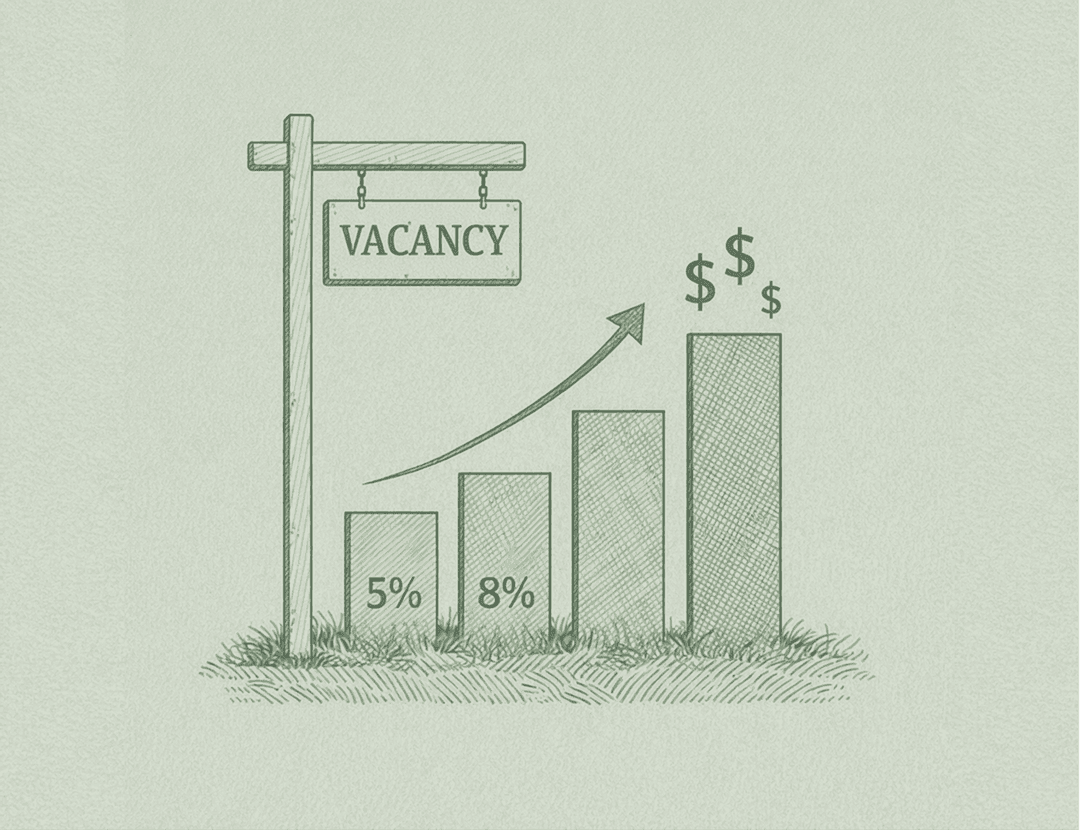
Vacancy rates are a key indicator of market conditions. High vacancy rates often signal an oversupplied market where tenants have plenty of choices, pushing landlords to compete more fiercely. This can mean dropping rents or offering perks like waived deposits to attract tenants.
The supply-demand balance isn’t uniform - it shifts based on location and property type. Urban areas with a surge in new construction often see higher vacancies, while suburban single-family homes in growing regions tend to maintain lower vacancy rates and more consistent rent increases.
When supply outweighs demand, landlords may face longer vacancies, which can drive up carrying costs. To fill units, they might offer incentives like move-in specials, all of which eat into annual rental income. At the same time, changing tenant preferences - such as the growing appeal of home offices due to remote work - add another layer of complexity, influencing both vacancy rates and rent prices.
Rent Price Fluctuations and Their Impact on Income
Rent prices are a major driver of cash flow, and their fluctuations affect different property types in unique ways. Luxury rentals are more prone to sharp price swings during periods of uncertainty, while mid-market units tend to be more stable. Affordable housing, on the other hand, often benefits from increased demand during economic downturns.
Several factors can cause rent prices to shift. For example, an influx of new employers in a region can boost demand for nearby rentals, while the exit or downsizing of major companies can have the opposite effect. Seasonal trends also play a role - rents generally rise during peak moving seasons and soften during slower periods.
Preferences for unit size and features are another key factor. The growing demand for larger units, particularly those with outdoor spaces, reflects changing tenant priorities. Emerging markets often see faster rental growth during expansion phases, while more established markets experience slower, steadier increases. These shifts highlight the risks and opportunities tied to rent volatility.
The Role of Laws and Regulations
Beyond market dynamics, government policies and local regulations also play a significant role in shaping rental income. Rent control laws in some cities cap how much landlords can raise rents, regardless of market conditions, which can limit potential earnings.
Tenant protection laws, such as eviction moratoriums or extended notice requirements, can delay rent collection and disrupt income stability. Additionally, restrictions on short-term rentals in some regions have led property owners to shift toward long-term leases, changing local supply and influencing rent levels.
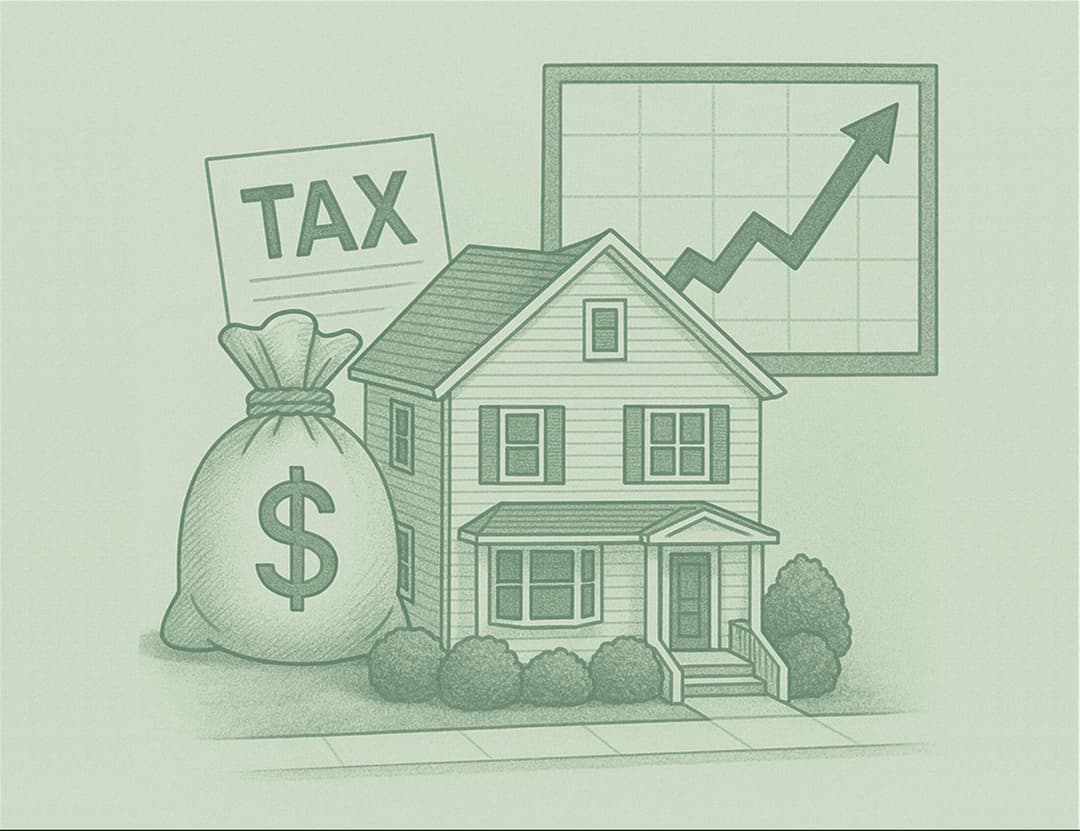
Zoning changes, development incentives, and inclusionary housing policies can also impact long-term supply trends. Meanwhile, adjustments to property taxes or the introduction of new fees can increase operating costs, squeezing profits even if rent prices remain stable. These regulatory factors add another layer of complexity to managing rental income effectively.
Rental Income Risks from Market Changes
Tenant Payment Problems
Property owners can minimize the risk of tenant payment issues during economic downturns by partnering with professional leasing services. These experts help find tenants who meet strict qualification criteria, increasing the likelihood of steady rental income even when the market is unpredictable [1].
sbb-itb-f750c3f
Ways to Reduce Risks and Increase Income
Savvy property investors understand that protecting income requires a proactive approach, especially in a market that’s always evolving. Having strategies in place to adapt to changes is key to staying ahead of the curve.
Diversify Your Property Portfolio
A well-diversified property portfolio spreads risk and helps weather market fluctuations. Offering a mix of unit types - such as studios, family-sized apartments, and spaces designed for remote work - can help maintain occupancy, even during uncertain times.
Geographic diversity is another way to minimize risk. Owning properties in different areas can shield you from localized downturns. Investing in mixed-use properties, which combine residential and commercial spaces, can further stabilize your income by tapping into multiple revenue streams.
While diversification helps reduce risks, fine-tuning your pricing strategy ensures you’re maximizing returns.
Use Data to Set Rent Prices
Basing rent prices on solid data - not guesswork - can make a big difference in your bottom line. Regularly analyze the local market and compare your properties to similar ones nearby.
Dynamic pricing tools can help you adjust rents based on factors like seasonal demand or major local events. These tools take the guesswork out of pricing and help you stay competitive.
You can also offer value-added services - like included utilities, parking, or maintenance packages - to justify higher rents. These extras not only attract tenants but also create additional income streams that aren’t as vulnerable to market shifts as base rent prices.
Stay Updated on New Regulations
Keeping up with rental regulations is essential for protecting your investment and avoiding costly legal issues. Changes to rent control laws, tenant protections, and other housing regulations can have a direct impact on your income.
Build relationships with local housing authorities and attend city council meetings to stay informed about potential changes. Knowing about new legislation early gives you time to adjust lease terms or policies, helping you avoid compliance issues that could lead to penalties or forced rent reductions.
Partnering with professional property management services, like those offered by The Elle Group, can simplify regulatory monitoring. These services help you stay compliant and prevent income disruptions caused by unexpected rule changes.
Additionally, maintaining detailed records - such as property improvement logs, maintenance costs, and tenant communications - can be invaluable. These documents not only support rent increases but also protect you in case of regulatory challenges that could affect your earnings.
How The Elle Group Helps Investors Handle Market Trends
Navigating the ups and downs of the rental market takes more than just luck - it requires a deep understanding of the market and a strategic approach. The Elle Group combines real-world investment experience with data-driven insights to help investors protect and maximize their rental income.
Custom Portfolio Management
Every investor's portfolio is unique, and The Elle Group knows that a one-size-fits-all approach doesn't work. They conduct annual asset reviews and deal analyses to align their strategies with both current market trends and future forecasts. This flexible approach ensures that strategies evolve alongside changing market conditions, all while drawing from The Elle Group's extensive knowledge of the rental industry.
Insights Backed by Experience
Understanding market changes is key to staying ahead. Under the leadership of seasoned investor Lien Vuong, The Elle Group uses a mix of personal market experience and data analysis to help investors anticipate and prepare for shifts in the rental landscape. With a track record of guiding over a hundred clients through various market cycles, their team is skilled at customizing strategies to meet the needs of different investors. They also use digital tools to boost property visibility and reach, ensuring investors stay competitive.
Proactive Risk Management
The Elle Group takes a proactive stance when it comes to managing risks. Their online portals provide real-time updates on property performance and tenant satisfaction, enabling early detection of potential issues. By offering continuous updates on market trends, they empower investors to make confident, informed decisions, even as conditions change.
Conclusion: Adjusting to Market Trends for Steady Income
Rental markets are always evolving, and staying successful means staying adaptable. As we've discussed, understanding market trends is key to managing rental income effectively. Vacancy rates will shift, rent prices will go up and down, and regulations will change. What sets thriving rental property investors apart is how well they anticipate and respond to these shifts.
To stay ahead, it’s important to diversify your portfolio, use data to guide pricing decisions, and stay informed about local regulations. Equally critical is having a strong support system to help navigate uncertain times. These strategies tie directly to the risk management and portfolio diversification tactics mentioned earlier.
The Elle Group understands that every market cycle brings both challenges and opportunities. With years of hands-on experience, data-driven insights, and a proactive approach to risk management, they provide strategies that help investors maintain steady income streams, even when market conditions are unpredictable. Their expertise reflects the risk prevention methods highlighted earlier.
Building wealth isn’t about perfect timing - it’s about equipping yourself with the right knowledge, tools, and partnerships to adapt with confidence. This aligns with the earlier discussion on market shifts and risk mitigation. By working with seasoned professionals who grasp both the intricacies of property management and the broader economic forces shaping rental markets, investors can focus on their long-term goals while ensuring their properties are well-positioned for success.
Those who embrace change and partner with experts will uncover opportunities to grow their income and build wealth, no matter how the market evolves.
FAQs
How can property owners use data to set the right rent price and boost their rental income?
Property owners can make smart decisions by using data to analyze local market trends and set competitive rental prices. Platforms that compare rental rates and detailed market reports can provide insights into average rents in your area. This ensures your property is priced just right - not too high to scare off potential tenants and not too low to leave money on the table.
You can also tap into predictive analytics and trend data to stay ahead of shifts in demand. This allows you to adjust pricing proactively, keeping your property attractive to tenants. A data-driven approach helps reduce vacancy periods, attract dependable renters, and boost your rental income - all while staying in tune with current market conditions.
How can landlords reduce risks from high vacancy rates and late rent payments?
Landlords looking to reduce risks like high vacancy rates and late rent payments should focus on taking proactive steps. Start by conducting detailed tenant screenings to find renters who are dependable and financially stable. Clearly outline payment expectations in the lease agreement to avoid confusion later. Incorporating online payment platforms can also make rent collection easier and help prevent delays.
To keep vacancies at a minimum, make sure your rental pricing aligns with the local market. Address maintenance requests promptly to keep tenants happy and your property in good condition. Building strong relationships with tenants and ensuring the property is well-maintained can encourage longer leases, reduce turnover, and provide more consistent rental income.
How do local laws and government policies affect rental income, and what can property owners do to adapt and protect their earnings?
Local laws and government policies - like rent control, zoning rules, and tenant protection laws - play a big role in shaping rental income. These regulations can limit rent increases, hike up operating costs, or impose restrictions that cut into profits. For instance, rent control might cap how much you can charge, while zoning laws could dictate how you use your property.
To protect your income, staying on top of local regulations is crucial. Regularly consulting with legal and real estate experts can help you navigate these complexities. You might also consider focusing on areas with fewer restrictions, keeping your properties in excellent condition to avoid compliance issues, or taking advantage of exemptions for new construction in some states. With the right planning and advice, you can reduce risks and keep your returns steady.