
- Benefits of Tenant Portals for Landlords
- Why Should Property Managers Use A Tenant Portal For Tenants? - Mastering Property Management
- Easier Rent Collection and Financial Management
- Multiple Payment Options for Tenants
- Automatic Reminders and Real-Time Payment Tracking
- Simple Financial Reports
- Better Communication and Maintenance Management
- Clear Landlord-Tenant Communication
- Simple Maintenance Request System
- Faster Responses for Happier Tenants
- sbb-itb-f750c3f
- Better Record Keeping and Document Access
- 24/7 Access to Leases and Important Documents
- Digital Storage and Legal Compliance
- Clear Records Build Trust
- Higher Tenant Satisfaction and Lower Turnover
- A Smoother Tenant Experience
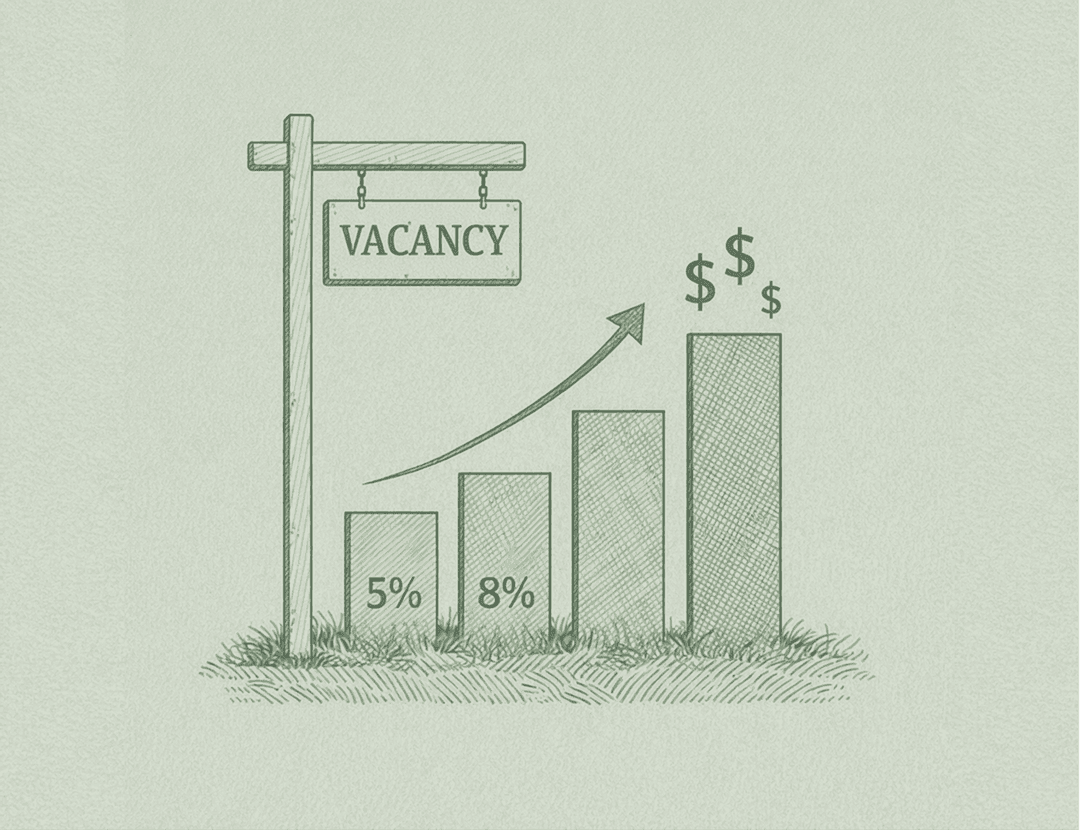
- Reducing Turnover and Vacancy Costs
- Advancing The Elle Group's Client Success Mission
- Conclusion: How Tenant Portals Improve Property Management
- FAQs
- How do tenant portals make communication easier for landlords and tenants?
- How do tenant portals keep sensitive information secure?
- How do tenant portals help landlords retain tenants and reduce turnover costs?
Real Estate
Benefits of Tenant Portals for Landlords
Managing rental properties can be challenging, but tenant portals simplify the process. These online platforms help landlords collect rent, handle maintenance requests, and communicate with tenants more efficiently. Here’s what you need to know:
- Rent Collection: Tenant portals support multiple payment options (ACH transfers, credit cards, digital wallets) and send automatic reminders to reduce late payments by up to 50%.
- Maintenance Management: Tenants can submit detailed requests with photos or videos, while landlords track and address issues faster, improving tenant satisfaction.
- Communication: Centralized messaging keeps all interactions organized, with features like read receipts and document storage for easy access to leases and notices.
- Record Keeping: Digital storage ensures secure, easily accessible records for leases, payments, and maintenance logs, aiding compliance and resolving disputes quickly.
- Tenant Retention: By improving convenience and transparency, tenant portals encourage lease renewals, reducing turnover and vacancy costs.
With over 93% of U.S. residents having reliable internet, tenant portals are a practical solution for landlords managing multiple properties. They save time, reduce stress, and help build stronger tenant relationships.
Why Should Property Managers Use A Tenant Portal For Tenants? - Mastering Property Management
Easier Rent Collection and Financial Management
Handling rent payments with paper checks or cash often leads to delays and extra administrative work. Tenant portals simplify this process, making rent collection faster and more efficient.
The impact is clear: adopting online rent payments can cut late payments by up to 50% compared to traditional methods[9]. This happens because digital payments address common issues like misplaced checkbooks, mail delays, or scheduling conflicts for in-person payments. The key to this efficiency lies in offering a variety of payment options.
Multiple Payment Options for Tenants
Modern tenant portals provide tenants with flexibility by supporting various payment methods. These typically include ACH bank transfers, credit and debit cards, and digital wallets like PayPal or Apple Pay[2][6].
- ACH transfers: A cost-effective choice for tenants and landlords alike.
- Credit cards: Convenient for renters who want to earn rewards or delay charges to their bank account.
- Digital wallets: Ideal for those who prefer quick, one-tap payment solutions.
By offering multiple payment options, landlords can encourage timely payments while reducing the hassle of dealing with different payment types manually.
Automatic Reminders and Real-Time Payment Tracking
Automated reminders, sent a few days before the due date, combined with recurring payment features, help ensure rent is paid on time[2][3]. For tenants who prefer a hands-off approach, recurring payments allow rent to be paid automatically on the same date each month.
Real-time payment tracking provides landlords with immediate visibility into their cash flow. They can instantly see which accounts are paid and which are overdue[2][3]. This level of transparency makes it easier to follow up with tenants and improves cash flow forecasting.
Simple Financial Reports
Digital rent collection doesn't just streamline payments - it also simplifies financial reporting. Landlords can download reports that summarize rent payments, outstanding balances, and tenant payment histories[1][4]. These reports often include year-to-date summaries, monthly breakdowns, and tenant-specific data, which can be directly exported into accounting software or shared with tax professionals. This eliminates the need for time-consuming manual data entry.
With over 93% of residents having access to reliable internet[2], the infrastructure is already in place to support the widespread adoption of digital rent collection systems. For landlords managing multiple properties, these platforms are a game-changer. Instead of juggling multiple bank accounts and manual record-keeping, everything is centralized in one system, offering clear insights into each property's financial performance.
Better Communication and Maintenance Management
Modern communication tools are transforming property management, much like digital rent collection has simplified payments. Using outdated, manual methods often leads to missed messages and delayed responses. Tenant portals solve this problem by serving as a centralized hub where all landlord-tenant interactions happen in one secure, organized space. This setup ensures clear updates, smoother maintenance processes, and quicker issue resolution.
Clear Landlord-Tenant Communication
Tenant portals bring all communication - whether it’s phone calls, emails, or text messages - into a single, streamlined platform. This eliminates the chaos of overflowing inboxes or forgotten voicemails. Features like message threads, automated notifications, and read receipts create a transparent communication trail, so landlords can confirm when tenants have received important updates. Additionally, these platforms often include centralized document storage, making lease agreements, property rules, and official notices easy to access. This reduces routine questions and allows landlords to focus on more pressing tasks.
Simple Maintenance Request System
Handling maintenance requests the old-fashioned way often involves back-and-forth calls or vague email descriptions. Tenant portals simplify the process by letting tenants submit detailed requests directly through the platform. Many systems even allow tenants to attach photos or videos, making it easier for landlords to assess the issue. For example, a tenant reporting a leaking faucet can include a photo, helping the landlord gauge the urgency of the repair right away. Every request is automatically logged and stored, creating a clear repair history that can be useful for warranty claims, insurance needs, or future property evaluations. This streamlined process not only saves time but also boosts tenant satisfaction.
Faster Responses for Happier Tenants
With instant notifications and efficient workflows, landlords can respond to tenant needs faster than ever. Imagine a tenant submitting an urgent repair request late at night - say, at 11:00 PM. The landlord receives an immediate alert and can take action promptly, even outside regular business hours. This quick response time not only resolves issues faster but also reassures tenants that their concerns are a priority. Features like status tracking further reduce tenant anxiety by keeping them informed throughout the process. The result? Happier tenants, fewer complaints, and higher retention rates. And with lower turnover costs and more consistent rental income, landlords benefit too.
Given that over 93% of residents now have access to reliable, high-speed internet[2], the infrastructure is already in place to support tenant portals. For landlords managing multiple properties, these platforms bring consistency to their operations while fostering stronger, more professional relationships with tenants.
sbb-itb-f750c3f
Better Record Keeping and Document Access
Tenant portals have completely changed how landlords manage documents. Gone are the days of sorting through paper files, dealing with misplaced lease agreements, or hunting for payment records in cluttered filing cabinets. These portals offer a secure, digital archive where every important document is stored, neatly organized, and instantly accessible. This streamlined system simplifies document management and makes record verification quick and hassle-free.
24/7 Access to Leases and Important Documents
With tenant portals, landlords and tenants can access lease agreements, payment histories, maintenance records, and other essential documents anytime and from anywhere[1][3][5]. Everything is stored on a centralized, secure online platform.
This accessibility transforms the way property management operates. For instance, if a tenant has a question about their lease terms, a landlord can immediately pull up the agreement without rummaging through physical files. Key documents like payment histories, rental policies, move-in/move-out checklists, and notices are all just a few clicks away[1][3][5]. Some portals even allow landlords to upload custom property-specific documents, creating a comprehensive digital record for every rental unit.
Tenants also gain significant advantages. They can easily download lease agreements, policies, or checklists directly from the portal, eliminating the hassle of requesting printed copies or waiting for responses from the landlord[1]. This convenience not only saves time but also reduces paper waste. With everything available online, tenants no longer need to worry about losing important documents or forgetting specific policies - they’re always within reach.
Digital Storage and Legal Compliance
Beyond convenience, digital storage plays a key role in ensuring landlords stay compliant with regulations. Tenant portals are designed to support legal compliance and audit preparedness[1]. They use advanced features like encryption, secure logins, and access controls to safeguard sensitive information[1][3]. Regular updates and adherence to data protection laws further enhance the security of both landlord and tenant data.
In situations like disputes or audits, landlords can quickly produce time-stamped, unaltered records, reducing risks and demonstrating compliance[1]. For example, during a security deposit disagreement or a fair housing investigation, the ability to provide clear, unaltered records is invaluable. The digital format ensures that documents remain intact and reliable, making them a trusted source of evidence when needed.
For landlords managing multiple properties, tenant portals provide an additional layer of convenience. They allow landlords to organize leases, payments, and maintenance records for all their properties in one place[3][4]. This centralized system becomes a game-changer as portfolios grow, eliminating the chaos of maintaining separate filing systems for each property.
Clear Records Build Trust
Having instant access to accurate, up-to-date records helps avoid misunderstandings and resolves disputes quickly[1][5][7]. This level of transparency builds trust between landlords and tenants, strengthening their relationship.
Take a common scenario: a tenant disputes the return of their security deposit. Instead of engaging in lengthy arguments, both parties can review the move-out checklist, payment history, and communication logs stored in the portal[1][3]. This clear documentation often resolves issues on the spot, preventing unnecessary escalation.
As renters increasingly expect quick communication and digital access to their rental information, tenant portals are becoming more widespread[5]. Landlords who embrace these tools report better organization and happier tenants[5]. With 93% of U.S. residents having access to reliable, high-speed internet[2], the infrastructure is already in place to support widespread adoption of tenant portals across the country’s twenty million rental properties[8].
Higher Tenant Satisfaction and Lower Turnover
Happy tenants are more likely to stick around, and tenant portals play a big role in keeping them satisfied. By simplifying processes and making everything more transparent, these tools help improve tenant experiences, which naturally leads to better retention and fewer expenses for property owners.
A Smoother Tenant Experience
Tenant portals make life easier by offering 24/7 access to essential services. No more rushing to the office, mailing checks, or being restricted by business hours. Payments are a breeze with multiple options like credit cards, ACH transfers, and even automatic payments, all with instant confirmations. Real-time communication tools and maintenance request tracking ensure that tenants feel heard and their concerns are addressed quickly. Plus, having easy access to lease agreements and payment histories empowers tenants to stay informed and manage their responsibilities from any device, anytime.
Reducing Turnover and Vacancy Costs
When tenants enjoy a more convenient experience, they’re more likely to renew their leases. This means fewer turnovers and lower vacancy costs. In fact, some property management companies have seen lease renewal rates jump by 10–15% after adopting tenant portals. These higher renewal rates directly reduce the expenses tied to tenant turnover and vacant units [3].
Advancing The Elle Group's Client Success Mission
The Elle Group takes these benefits a step further by using tenant portals to improve outcomes for their clients. Staying true to their mission of simplifying property management, The Elle Group recognizes how these digital tools can help maximize investment returns and support long-term wealth building through real estate. By integrating tenant portals into their strategies, they not only boost tenant satisfaction but also ensure steady cash flow, allowing landlords to focus on growing their portfolios.
With over 93% of U.S. residents enjoying access to reliable internet and around 20 million rental properties nationwide, the potential for tenant portals is massive [2][8]. Landlords who embrace these tools are well-equipped to meet rising tenant expectations while building successful, profitable rental businesses.
Conclusion: How Tenant Portals Improve Property Management
Tenant portals have become a game-changer in property management, simplifying rent collection, communication, and record keeping for landlords and property managers.
For starters, online rent collection through tenant portals ensures payments are processed on time while automating cash flow tracking. Landlords using these systems report rent collection speeds improving by up to 40% [1][2][5]. Additionally, streamlined financial reporting makes tax preparation and accounting throughout the year far less stressful, giving property owners greater control and predictability over their finances.
Communication also gets a major upgrade. Centralized messaging and maintenance tracking allow tenants to submit requests - complete with photos - and monitor progress in real time. This has led to faster response times, with some landlords seeing a 25% reduction in maintenance delays [5]. Clear and efficient communication not only resolves issues quicker but also boosts tenant satisfaction.
Digital record keeping is another key benefit. Storing leases, payment histories, and communication logs online ensures compliance with U.S. housing regulations and provides a safety net for legal matters. These organized records simplify audits, reduce liability risks, and offer peace of mind to landlords.
Most importantly, these tools directly enhance tenant satisfaction and retention. When tenants experience easy payment options, quick maintenance responses, and transparent communication, they’re more likely to renew their leases. This reduces the costly cycle of tenant turnover and vacant units, creating a more stable rental operation.
The Elle Group uses these advancements to help clients achieve higher returns on their investments while reducing the everyday stress of property management. By integrating tenant portals into their strategies, they empower landlords - whether seasoned or new - to focus on growing their portfolios. Plus, the analytics from these portals provide valuable insights, helping landlords identify trends and make informed decisions to optimize their operations.
With high-speed internet widely available across the U.S., adopting tenant portals is easier than ever. For landlords looking to meet rising tenant expectations and build more profitable rental businesses, embracing these digital tools is a step in the right direction. The Elle Group’s commitment to modern property management ensures landlords can thrive in this evolving landscape.
FAQs
How do tenant portals make communication easier for landlords and tenants?
Tenant portals make communication easier by offering a single platform for landlords and tenants to interact. Instead of juggling phone calls, emails, or scheduling face-to-face meetings, both parties can use the portal to exchange messages, share documents, and resolve issues - all in one place. This approach helps cut down on misunderstandings and speeds up response times.
For landlords aiming to improve tenant satisfaction and simplify property management, tenant portals are a practical solution. Teams like The Elle Group provide tailored support to help landlords get the most out of their properties while reducing potential risks, creating a smoother experience for everyone involved.
How do tenant portals keep sensitive information secure?
Tenant portals are built with strong security features to keep sensitive information, like tenant and landlord details, safe. These platforms typically rely on encryption protocols to protect data both during transmission and while it’s stored, making it difficult for unauthorized individuals to gain access.
To further enhance security, many portals include two-factor authentication (2FA), which requires users to confirm their identity through an additional step, like a code sent to their phone or email.
On top of that, regular software updates and adherence to data privacy laws ensure these systems stay secure. These precautions make tenant portals a trusted option for managing communication, rent payments, and other key responsibilities efficiently and securely.
How do tenant portals help landlords retain tenants and reduce turnover costs?
Tenant portals make life easier for landlords by helping them keep tenants happy and cutting down on costly turnover. These tools simplify property management by making communication easier, offering convenient rent payment options, and organizing maintenance requests - all of which lead to a better experience for tenants.
When tenants are satisfied, they tend to stick around longer. This means landlords can avoid expensive processes like advertising empty units or preparing them for new renters. By improving the landlord-tenant relationship, tenant portals contribute to steady, long-term occupancy.